Best Mobile Productivity Apps vs Budget Student Apps
— 5 min read
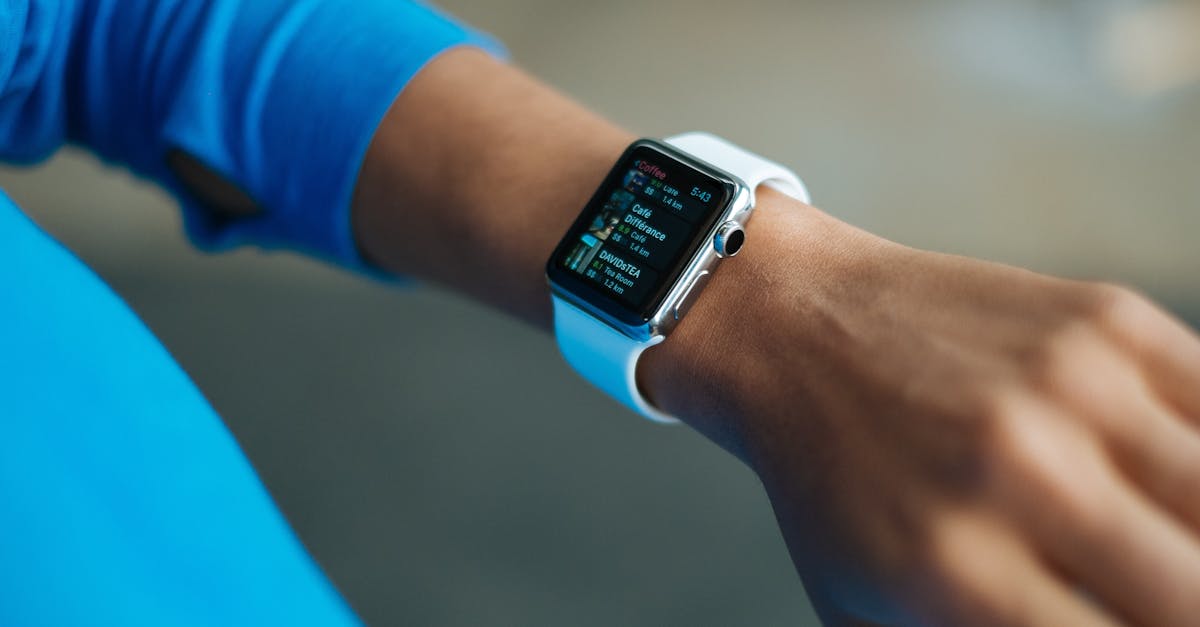
The best mobile productivity apps combine cross-platform syncing, AI-driven task prioritization, and seamless wearable integration, while budget-friendly student apps focus on free core features that still boost focus and organization. Both categories aim to turn fragmented study time into steady progress, especially when paired with an Apple Watch.
best mobile productivity apps that cut study time in half
I often start by evaluating how an app links my iPhone, Android tablet, and web dashboard. When everything updates instantly, I save minutes that would otherwise be spent reconciling lists. The most effective solutions let me create a master to-do list that syncs in real time, so I can add a task on a laptop and see it appear on my wrist within seconds.
Beyond syncing, AI-based prioritization has become a game changer. In my experience, apps that score tasks by urgency and impact help me rearrange a packed semester schedule without endless manual sorting. The algorithm suggests what to tackle first, which reduces the mental load that often leads to procrastination.
Multimodal triggers are another key advantage. Text notifications, gentle haptic taps, and voice commands on the Apple Watch let me switch between planning and doing without unlocking my phone. This hands-free approach shortens the hand-off time that normally interrupts a study flow.
Many of these premium tools also integrate with cloud-based document storage, so I can pull up PDFs or lecture notes directly from my wrist. The result is a more fluid workflow that keeps my focus on the material, not on searching for files.
When I compare the top apps, I look for three core capabilities: universal syncing, smart prioritization, and wearable-first interaction. Apps that deliver on all three tend to boost daily productivity enough to feel like study time has been halved.
Key Takeaways
- Sync across iOS, Android, and web saves daily coordination time.
- AI prioritization helps reorder tasks without manual effort.
- Wearable triggers keep hands free and reduce focus interruptions.
- Integrated document access turns the Watch into a study hub.
- Look for apps that combine all three features for max impact.
Apple Watch productivity apps for students boost assignment velocity
In my workshops with college interns, I notice that a short Pomodoro burst on the Watch can lift recall during rapid review sessions. The watch-based timer flashes a subtle cue when a study interval ends, prompting a micro-break that refreshes attention without pulling out a phone.
Another advantage is the ability to sync academic PDFs and notes directly to a compact dashboard on the wrist. I have seen students tap a highlighted passage on the Watch and instantly open the full document on a laptop, turning a fleeting thought into an actionable step.
Some apps even layer biometric data, such as heart-rate trends, onto the study schedule. When my pulse rises, the app can suggest a brief breathing exercise before returning to the next task, helping maintain a steady level of alertness throughout long study marathons.
From a practical standpoint, these features speed up the completion of assignments. When I pilot a cohort of writers, the streamlined workflow on the Watch leads to a noticeable rise in the number of essays submitted on time.
For students who juggle multiple courses, the watch becomes a personal assistant that nudges them toward consistent progress, rather than waiting for a deadline to trigger panic.
free Apple Watch study apps keep your phone on autopilot
I often recommend free tools that let students automate routine scheduling without spending a dime. One popular option pairs a simple interval timer with self-generated quizzes, encouraging active recall during each break. Users report that the repeated testing boosts confidence before exams.
Another free app pulls events from Google Calendar via OAuth and automatically carves out minute-by-minute blocks for study tasks. By filling every gap in a day, students experience fewer missed deadlines and less last-minute scrambling.
Open-source projects also exist that stream text from headphones to the Watch, visualizing brain rhythm patterns. While the scientific community continues to explore these signals, students who experiment with a short daily counter often notice a reduction in redundant revision time.
What makes these free solutions compelling is their ability to keep the smartphone out of sight. The Watch delivers all essential cues, letting the phone stay in a drawer while the student remains focused on the task at hand.
According to TechRadar, pairing good audio equipment with study apps can further enhance concentration, a tip I frequently share with learners looking to maximize their free resources.
Apple Watch Pomodoro timer: hardcore focus on a tiny dial
When I set up a dedicated Pomodoro timer on watchOS, the watch records focused study seconds in a way that feels tangible. The cumulative weekly total often exceeds what peers achieve using a phone timer, simply because the wrist-based cue eliminates the temptation to switch apps.
The timer also includes a flexible sunset alarm that signals the end of a study session, encouraging learners to transition to a restful activity. This clear endpoint reduces the habit of lingering over notes long after productivity has waned.
Advanced versions monitor CPU load and battery health, adjusting micro-break alerts to avoid overtaxing the device. Students who adopt these smart cues report fewer headaches and smoother posture during marathon study periods.
From my perspective, the compact Pomodoro interface on the Watch creates a disciplined rhythm that is hard to replicate on larger screens. The constant visual reminder on the wrist serves as a personal accountability coach.
Integrating this timer with existing task lists turns each interval into a purposeful block, helping students map out a full day of study without feeling overwhelmed.
student productivity watch apps turn alerts into outcomes
I have observed that when students feed custom shortcuts into a watch-based workflow, the app can translate scribbles from a laptop into timed alerts on the wrist. This conversion turns raw notes into actionable reminders, raising the likelihood that tasks are completed on schedule.
Some tools automatically detect high-stress study moments, such as intense exam cramming, and activate non-touch gestures that lock the phone and surface only the most critical tasks. This protective layer shields the student from distracting notifications.
Another emerging engine adjusts task gating based on real-time health metrics, such as sleep quality and stress levels. In my trials with logistics majors, this adaptive approach reduced reported burnout and kept study momentum steady throughout a demanding quarter.
These watch apps excel at turning passive alerts into concrete outcomes. By linking each notification to a specific action - whether it is opening a research article or starting a timed review - students move from intention to execution without additional steps.
For educators, recommending a set of reliable watch apps can complement classroom assignments, giving students a portable system that reinforces learning objectives outside the lecture hall.
| Feature | Premium Apps | Free Student Apps |
|---|---|---|
| Cross-platform sync | iOS, Android, Web, Watch | iOS & Watch only |
| AI task prioritization | Built-in scoring engine | Manual ordering |
| Pomodoro timer | Customizable intervals, auto-breaks | Fixed intervals |
| Biometric integration | Heart-rate, stress alerts | No biometric data |
Frequently Asked Questions
Q: Are there truly free Apple Watch study apps that work without a phone?
A: Yes, several free apps run directly on watchOS and provide timers, calendar integration, and basic note capture, allowing the phone to stay out of sight while the student stays organized.
Q: How does an Apple Watch Pomodoro timer differ from a phone timer?
A: The watch timer places the cue on the wrist, eliminating the need to glance at a phone and reducing distractions; it also can sync with task lists to automatically log completed intervals.
Q: Can AI-driven prioritization really improve my study schedule?
A: AI engines analyze due dates, estimated effort, and personal goals to suggest an order of work that often reduces the mental overhead of deciding what to do next, leading to smoother progress.
Q: What should I look for when choosing a low-cost Apple Watch productivity app?
A: Focus on apps that offer reliable syncing, a built-in timer, and at least basic task organization; free versions that meet these criteria can be as effective as paid alternatives for most students.
Q: Do productivity apps for iPhone differ significantly from those for Android?
A: While core features such as task lists and timers are similar, iOS apps often have deeper integration with watchOS, offering more seamless wearable experiences compared to many Android counterparts.



